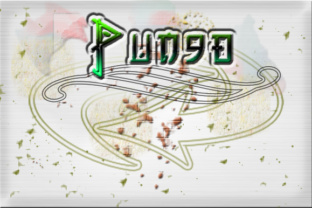
Pungo: A Script Font That Breathes Life into Handmade Creations
As a handmade product creator who spends hours designing labels, invitations, and packaging for my small shop, I’ve tested countless fonts over the years. But Pungo has truly stood out—not just for its elegant curves and flowing lines, but for how it transforms simple text into something that feels personal, refined, and ready for the world.
Pungo for Wedding Invitations and Elegant Branding
I recently used Pungo to design a set of wedding invitations for a client, and it was a game-changer. The font’s Script Handwritten style brought a warm, handwritten charm that felt both timeless and modern. Whether I was writing the couple’s names, the date, or the venue details, Pungo added a sense of intimacy and artistry that made each invitation feel like a custom piece. It’s not just a font—it’s a storytelling tool that helps your brand stand out in a crowded market.
What makes Pungo especially useful is its inclusion of both upper and lowercase letters. This flexibility allows for more creative expression, whether you’re crafting a playful tagline or a formal event announcement. For branding purposes, Pungo can be paired with a clean sans serif font to balance the ornate script with readability, ensuring your message is both beautiful and clear.
Pungo on Product Labels and Packaging Design
When I started experimenting with Pungo for product labels, I was immediately impressed by how it enhanced the visual appeal of my handmade candles and soaps. The font’s flowing lines gave each label a handcrafted look that matched the quality of the products themselves. I found that using Pungo on labels helped create a cohesive brand identity, making my shop feel more professional and intentional.
One thing I noticed was that Pungo works best for short phrases and decorative wording rather than dense text. For example, it shines on tags that say “Handmade with Love” or “Seasonal Scent,” but it might not be ideal for long product descriptions or technical instructions. That said, when used thoughtfully, Pungo can elevate even the simplest label into a standout design element.
For packaging design, Pungo adds a touch of elegance that complements a variety of styles—from rustic farmhouse aesthetics to minimalist modern layouts. I’ve used it on gift boxes, tote bags, and even small stickers, and each time, it brought a unique flair that made the product more appealing to customers.
Pungo for Digital Printables and Social Media Graphics
In today’s digital age, having a font that looks great both online and offline is essential. Pungo has proven to be incredibly versatile in this regard. When creating digital printables, such as printable wall art or planner pages, Pungo adds a soft, artistic touch that feels both vintage and contemporary.
For social media graphics, I’ve used Pungo to craft eye-catching headlines and call-to-action buttons. Its Script Handwritten style catches attention while maintaining a level of sophistication that aligns with many handmade brands. However, I always make sure to pair it with a bold sans serif font for headings to ensure legibility across different screen sizes and platforms.
It’s also important to note that Pungo comes in various weights and styles, which gives designers more control over how they use the font. Whether you’re looking for a subtle, delicate look or a bolder, more dramatic effect, there are options that suit a wide range of creative needs.
Pungo in Real-World Applications: From Stickers to Signs
Testing Pungo on real-world applications has been one of the most rewarding parts of my experience with the font. I used it to create a series of stickers for a local boutique, and the results were stunning. The font’s Script Handwritten style added a personal touch that made each sticker feel like a hand-signed note, which resonated well with the target audience.
For signs and seasonal crafts, Pungo has been a go-to choice. I’ve used it for holiday tags, farmhouse-style signs, and even promotional displays at craft fairs. The font’s versatility allows it to adapt to different themes and settings, making it a valuable asset for any creative project.
That said, I’ve also learned that Pungo isn’t always the best fit for every scenario. For instance, it may not be ideal for very tiny cuts or intricate designs that require high precision. In those cases, I opt for a more structured font to maintain clarity and functionality.
Pungo: A Font That Enhances Brand Consistency and Customer Engagement
One of the biggest advantages of using Pungo is its ability to enhance brand consistency. By choosing a single font that reflects your brand’s personality, you create a stronger visual identity that customers can recognize and remember. Whether it’s on your website, social media, or physical products, Pungo helps maintain a cohesive look that reinforces your brand’s values and aesthetic.
From a customer engagement perspective, Pungo adds an emotional appeal that can make your products more relatable and memorable. The font’s Script Handwritten style evokes a sense of care and authenticity, which is especially valuable for handmade creators and small businesses. It’s this connection that can turn a simple purchase into a meaningful experience.
Ultimately, Pungo is more than just a font—it’s a creative tool that brings your ideas to life. Whether you’re designing labels, invitations, or digital assets, Pungo offers a unique blend of beauty, functionality, and versatility that makes it a must-have for any maker or designer looking to elevate their work.